Protecting FPV drones from EW: how the ZIR module helps them reach and hit the target
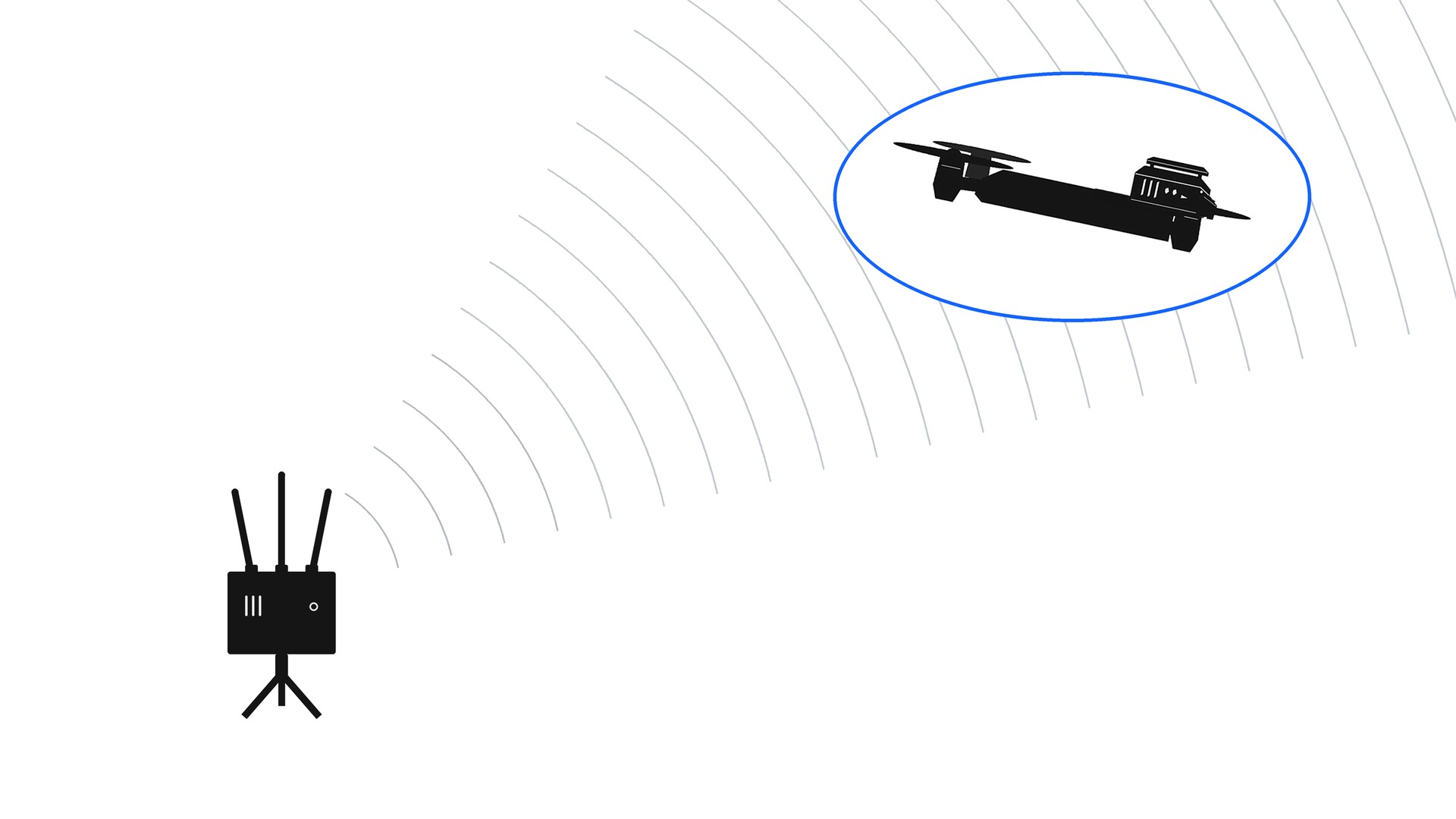
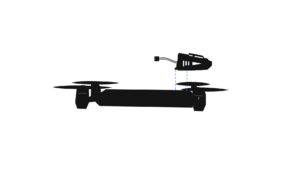
Electronic warfare (EW) is the main reason FPV drones fail to reach their targets. The enemy jams the control link and suppresses the video signal, and over long distances terrain also cuts the connection. The ZIR automatic terminal guidance module solves this differently from antennas or frequency changes. The drone keeps carrying out its mission even when the pilot has partly or completely lost contact with it.
Why EW doesn’t affect the module
ZIR runs directly on board and analyzes the image from the drone’s camera. It doesn’t need a radio channel, so EW that jams video and control has no effect on it. For FPV flight under EW, this is the key difference from an ordinary drone, which is simply lost when the signal drops.
Cruise control: getting through the EW zone
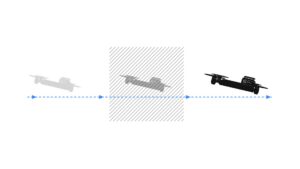
In cruise mode, the module holds heading and altitude and compensates for wind. The pilot sets a direction and switches on cruise, and the drone then flies on its own.
Cruise also switches on automatically. If EW cuts the control signal, the drone doesn’t fall or hover. It switches to cruise mode by itself, keeps moving on the set heading, and leaves the EW zone.
The autopilot gives the pilot what matters most: time. While the drone holds its course, the operator can calmly switch between video channels to find a frequency where EW isn’t suppressing the picture. Without cruise this is almost impossible, because the pilot’s full attention goes to keeping the drone in the air.
Target guidance: striking without a video link
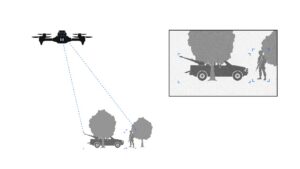
Once the target is locked, the module flies the drone itself and corrects the trajectory until impact. With automatic target engagement, losing video over the last few hundred meters, where EW is usually densest, no longer ruins the attack. Striking a target without a video link becomes a standard scenario for FPV, not a stroke of luck.
If attack mode is already active, losing the control signal doesn’t trigger a switch to cruise. The drone continues toward the target and completes the attack.
The second advantage is better accuracy for FPV kamikaze drones. The module doesn’t tire, doesn’t get nervous, and isn’t thrown off by interference in the image. The trajectory is corrected continuously, even if the target is moving.
Flying in radio silence
ZIR makes it possible to fly in radio silence deliberately. After automatic terminal guidance is activated, the pilot can switch off the video transmitter. The drone stops transmitting a video signal, which makes it harder for radio reconnaissance to detect and leaves EW nothing to jam.
Overcoming the radio horizon for FPV
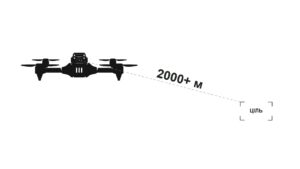
At long range and low altitude, the connection is lost to terrain, tree lines and buildings. To keep it, the pilot either climbs higher, where the drone is more visible, or sets up a repeater. With ZIR, it’s enough to lock the target while there is still a signal. The drone then finishes the attack on its own, even after leaving the line-of-sight radio zone.
How to bypass EW for FPV: summary
- EW doesn’t interfere with the module — jamming of video and control doesn’t affect its operation.
- Automatic cruise — if the control signal is lost, the drone switches to cruise by itself and leaves the EW zone.
- Uninterrupted attack — if the target is already locked, the drone continues toward it instead of switching to cruise.
- The autopilot gives the pilot time to switch to a clear video channel.
- Radio silence lowers the risk of the drone being detected.
- Automatic guidance completes the attack without a video link.
An EW-resistant FPV drone is not only about frequencies and antennas. It’s the ability to complete the mission when the connection is gone. This is how the ZIR module reduces the impact of EW on FPV.