Cruise Control in the ZIR Terminal Guidance Module: Fly Farther and Stay Harder to Detect
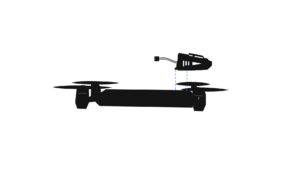
A long flight to the target is one of the most exhausting tasks for an FPV pilot. You have to constantly hold course, altitude, and throttle, watch the wind, and pass through EW zones at the same time. Cruise mode in the ZIR terminal guidance module takes over this routine, leaving the pilot with only the key decisions.
What Cruise Control Can Do
- Heading hold. Once activated, the drone holds the set course on its own, with no constant stick corrections.
- Altitude hold. The drone flies at the chosen altitude, without sinking or climbing unnecessarily.
- Crosswind compensation. The module watches the ground surface using optical flow and sees when the wind pushes the drone sideways. The system corrects the drift automatically, so the drone flies where it needs to go, not where the wind blows it.
Advantages for the Unit
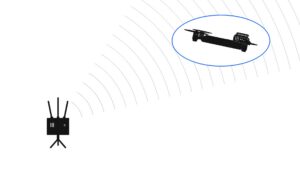
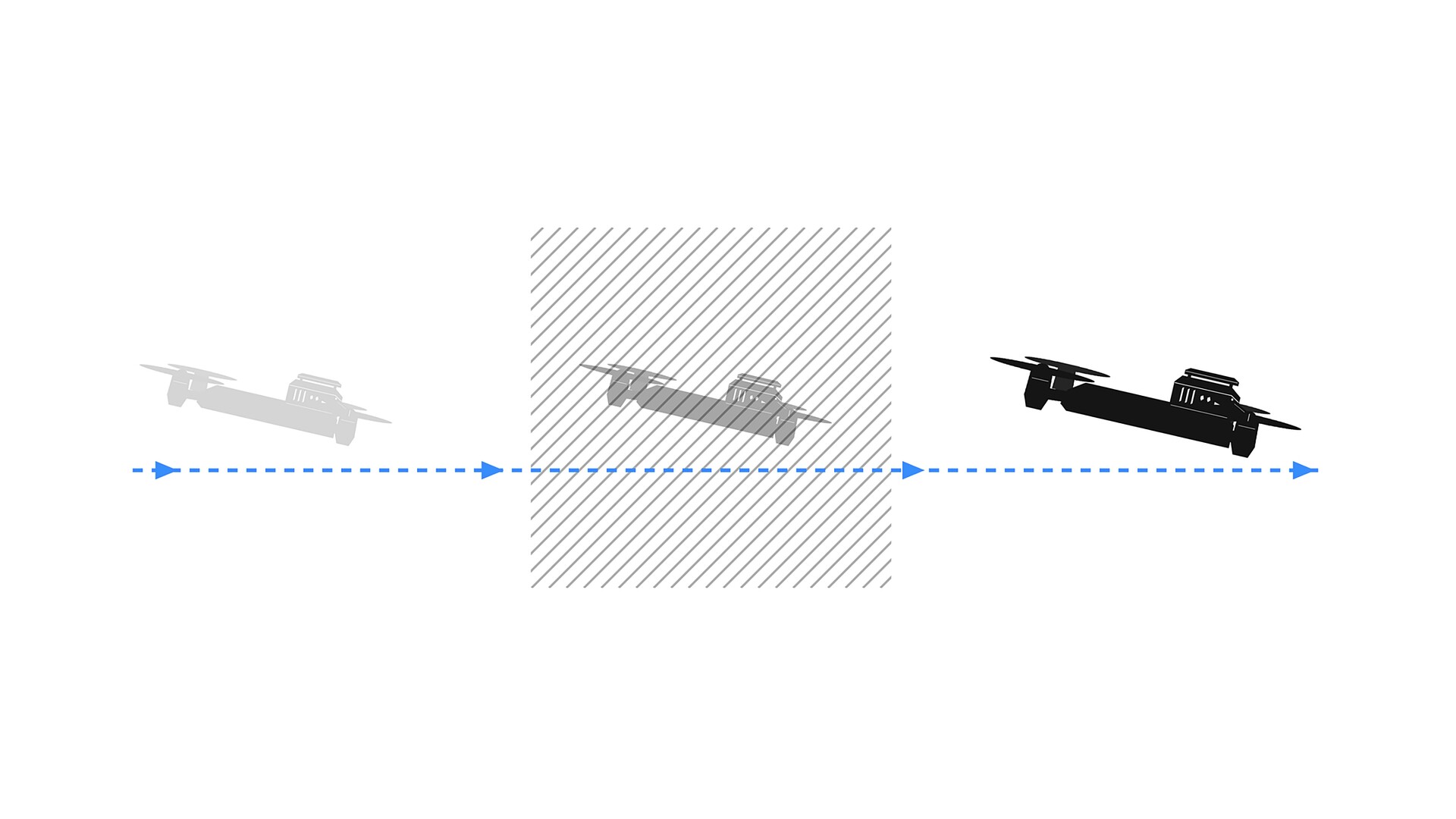
Passing through EW zones and “curtains”. When an EW system or a “curtain” stands in the way, the link with the drone can be lost over a significant stretch of the route. In Cruise mode this is not critical: the drone keeps flying on the set course and at the set altitude until it leaves the jamming zone and the link is restored.
Radio-silent flight. Cruise lets you switch off the VTX for part of the route. The drone does not emit a video signal, so it is harder to detect with radio reconnaissance and stays unnoticed by the enemy longer.
Maximum flight range. Cruise control determines the optimal pitch angle and throttle level for the most economical flight mode. The battery is used efficiently, and the drone covers a greater distance than under manual control, where the pilot often holds excess throttle or an unstable speed.
Automatic switch to Cruise on signal loss. If the link with the remote is lost (RX-lost), the module automatically switches the drone to Cruise mode. Instead of falling or hovering, the drone keeps moving on the set course, and the pilot has a chance to regain control.
Reduced pilot fatigue. Over long distances, manual piloting demands constant concentration. Cruise takes the monotonous work off the operator, so the operator reaches the target focused and ready for a precise strike.
How It Works in Combat
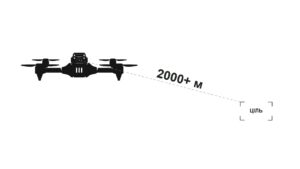
The pilot brings the drone to the required altitude, sets the direction, and turns on Cruise. From there the drone covers the route on its own, compensates for wind, and passes through jamming zones. Near the target, the operator takes back control or switches the module to terminal guidance mode, and the system guides the drone to the strike.
Thus, the ZIR module covers the drone’s entire path: Cruise provides range and survivability along the route, and terminal guidance provides accuracy on the final leg.
Want to learn more about the capabilities of ZIR modules? Write to us and we will help you choose a solution for your tasks.