Assistant Mode: How a Neural Network Helps the Pilot Find and Lock On to a Target
To hit a target, you first have to see it. In practice, this is often the hardest stage of an FPV pilot’s work. Assistant mode in ZIR terminal guidance modules takes over target search and lock-on using a neural network.
Why Targets Are So Hard to See
Most FPV drones use analog video, which has low resolution. At long range, a vehicle on screen looks like a few pixels that are easily mistaken for a bush, a shadow, or rocks.
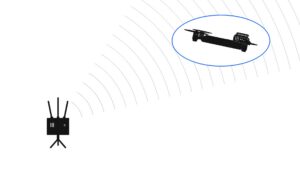
On top of that come interference: noise, lines, and “snow” from EW and a weak signal. The target may be moving, hiding behind trees, or leaving the frame. The pilot is flying the drone, watching the route, and searching for the target at the same time, so spotting it is hard, and locking on precisely is harder still.
How Assistant Mode Works
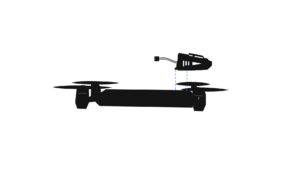
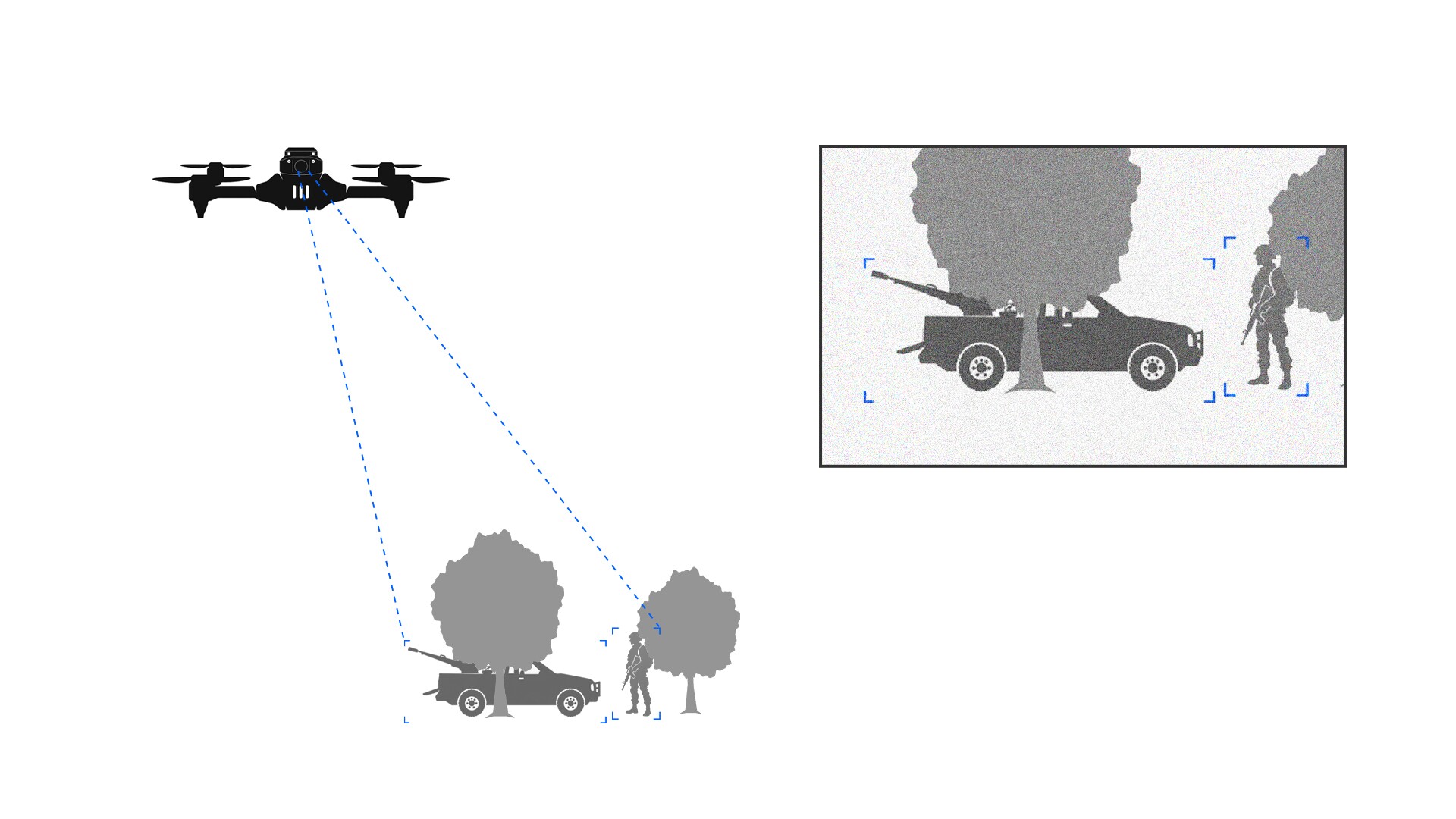
The ZIR module has its own camera and a processor running a neural network trained to recognize vehicles. It analyzes the image from the module’s camera, not the interference-degraded video on the pilot’s screen, so it sees the target where the human eye misses it.
The pilot only needs to point the detection zone at the target area. The system detects the vehicle on its own and marks it on the screen, and all that is left for the attack is to confirm the strike.
Advantages of the Mode
- Easy target lock. There is no need to aim the reticle precisely at a tiny dot on the screen: the neural network finds the target itself and highlights it with a frame.
- Multiple targets at once. The system recognizes all targets in the detection zone. If there are several, the one closest to the center of the zone gets priority, so the pilot can easily choose the right one.
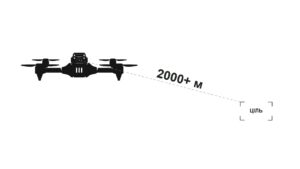
- Long detection range. The module can lock on to a passenger car from up to 1,000 meters and a truck from up to 1,500 meters. This gives the pilot time to choose a target and plan the attack before approaching.
- Stable tracking. After lock-on, the neural network keeps recognizing the target in every frame. This makes tracking more reliable: the system does not lose the target when it moves, changes angle, or is partly hidden.
- Effective against moving targets. Assistant mode is most useful against vehicles in motion: where it is hard to keep up manually, the system locks on and tracks the target automatically.
How It Looks in Practice
The pilot flies the drone to the target area and turns on Assistant mode. A detection zone appears on the screen. As soon as the neural network finds a vehicle, it highlights it with a frame. The pilot verifies the target and activates the strike, after which the terminal guidance module guides the drone to the target on its own, even if the link is lost.
The decision to attack always remains with the human. The neural network only removes the hardest part of the work from the pilot: finding and locking on to a target in poor picture conditions.
Want to find out how Assistant mode works on your drones? Write to us and we will help with module selection and integration.