From What Distance Can the ZIR TGM Lock On to and Hit a Target
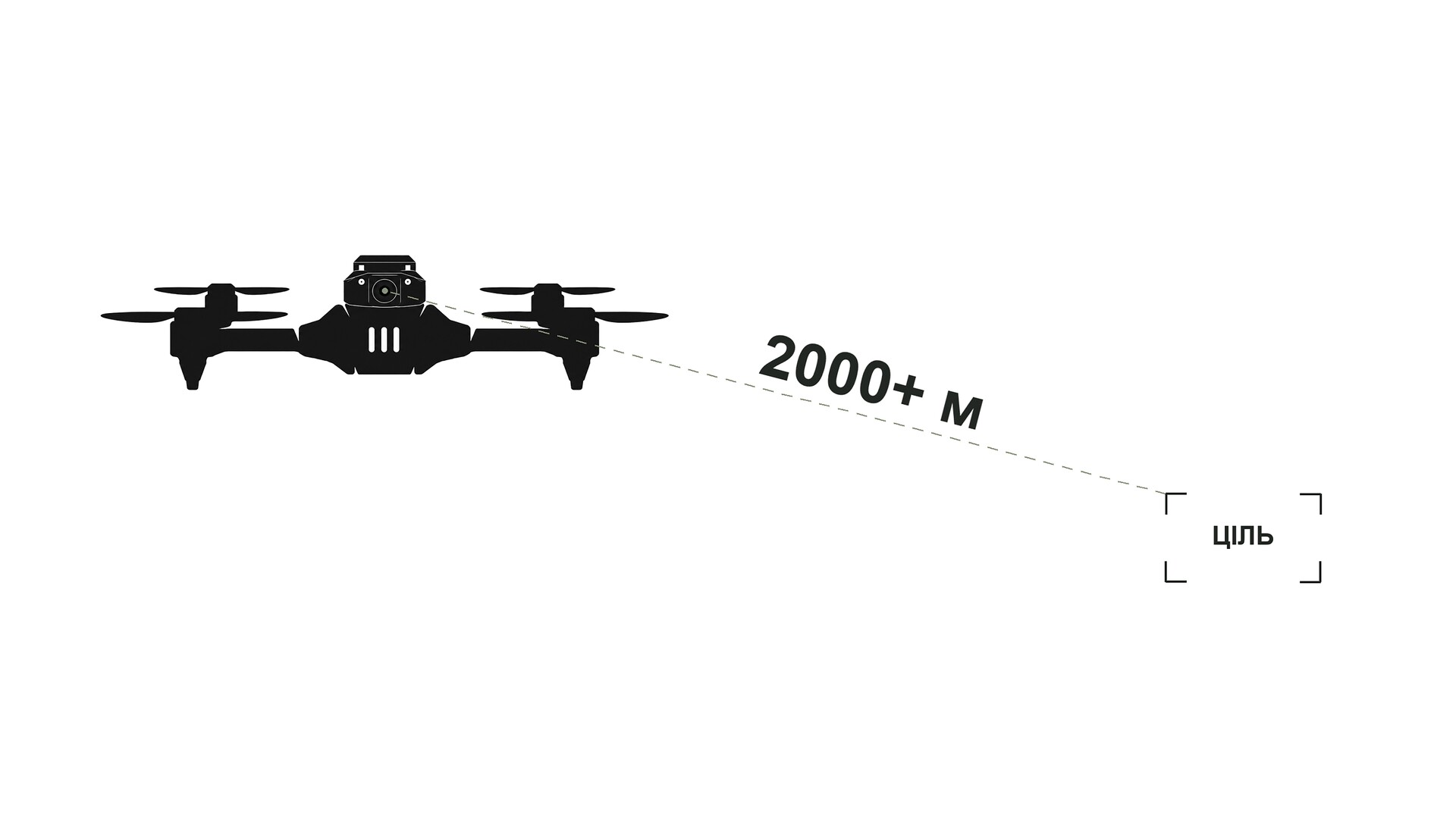
An FPV pilot usually brings the drone almost right up to the target and attacks from a few hundred meters. But what if getting closer is impossible or dangerous? We tested what the ZIR automatic terminal guidance module (TGM) can do in extreme conditions.
The Test: 700 Meters of Altitude, Over 2,000 Meters of Range
The test used a standard production ZIR TGM with no modifications. The drone climbed to an altitude of 700 meters, and the pilot locked on to a target more than 2,000 meters away. After the strike was activated, the module guided the drone to the target on its own and ensured it was hit.
This is an extreme scenario that shows the system’s limits. In regular combat work, targets are locked on from a shorter distance, but knowing your range margin matters: it determines how flexibly you can act in a difficult situation.
Why This Is Possible
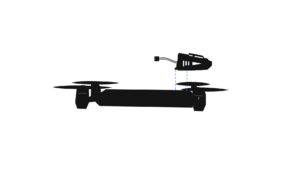
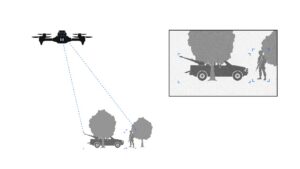
Once a target is locked, the TGM no longer needs a radio link. The module sees the target with its own camera, tracks it, and steers the drone until the strike without the pilot’s involvement. So the distance from the pilot, the quality of the link, and the operation of EW systems on the final leg no longer affect the outcome of the attack.
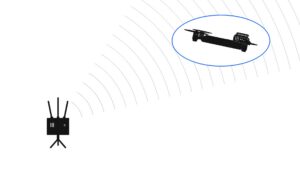
High altitude widens the area of direct radio line of sight and gives the pilot an overview of the terrain, while locking on to a target from long range means you don’t have to enter the zone of the heaviest jamming.
When to Use This Method
- The target is covered by powerful EW. The drone locks on to the target at the edge of the jamming zone and then proceeds autonomously. Jamming on the approach no longer breaks the attack.
- You are not sure the signal will stay stable. If the link may drop at any moment, it is better to lock on to the target while the picture is still stable and hand the rest of the work over to the module.
- Operating deep beyond the line of contact. At long range from the pilot the signal weakens, and every extra hundred meters closer to the target raises the risk of losing the link. Locking on from maximum range reduces that risk.
- Striking in radio-silent mode. After the automatic strike is activated, the pilot switches off the video transmitter on the drone. The drone no longer emits a video signal, so it is harder to detect with radio reconnaissance, and the enemy gets no warning of the attack.
How It Looks in Practice
The pilot takes the drone to high altitude over the target area, passing dangerous sections in Cruise mode if needed. Having found the target in the image from the module’s camera, the pilot locks on to it in Assistant or Manual mode and activates the strike. From that moment the TGM flies the drone on its own, and the pilot switches off the VTX if needed.
The decision to attack is still made by a human. The ZIR TGM lets them make that decision from a safe distance.
Want to find out how to use the capabilities of the ZIR TGM for your tasks? Write to us and we will help you choose a solution and set up the integration.